Free browser-based material calculators
What are you building?
Choose a project to open the calculators and planning checks that belong together. Start with dimensions, review the visible assumptions, and keep the estimate tied to your actual product label.
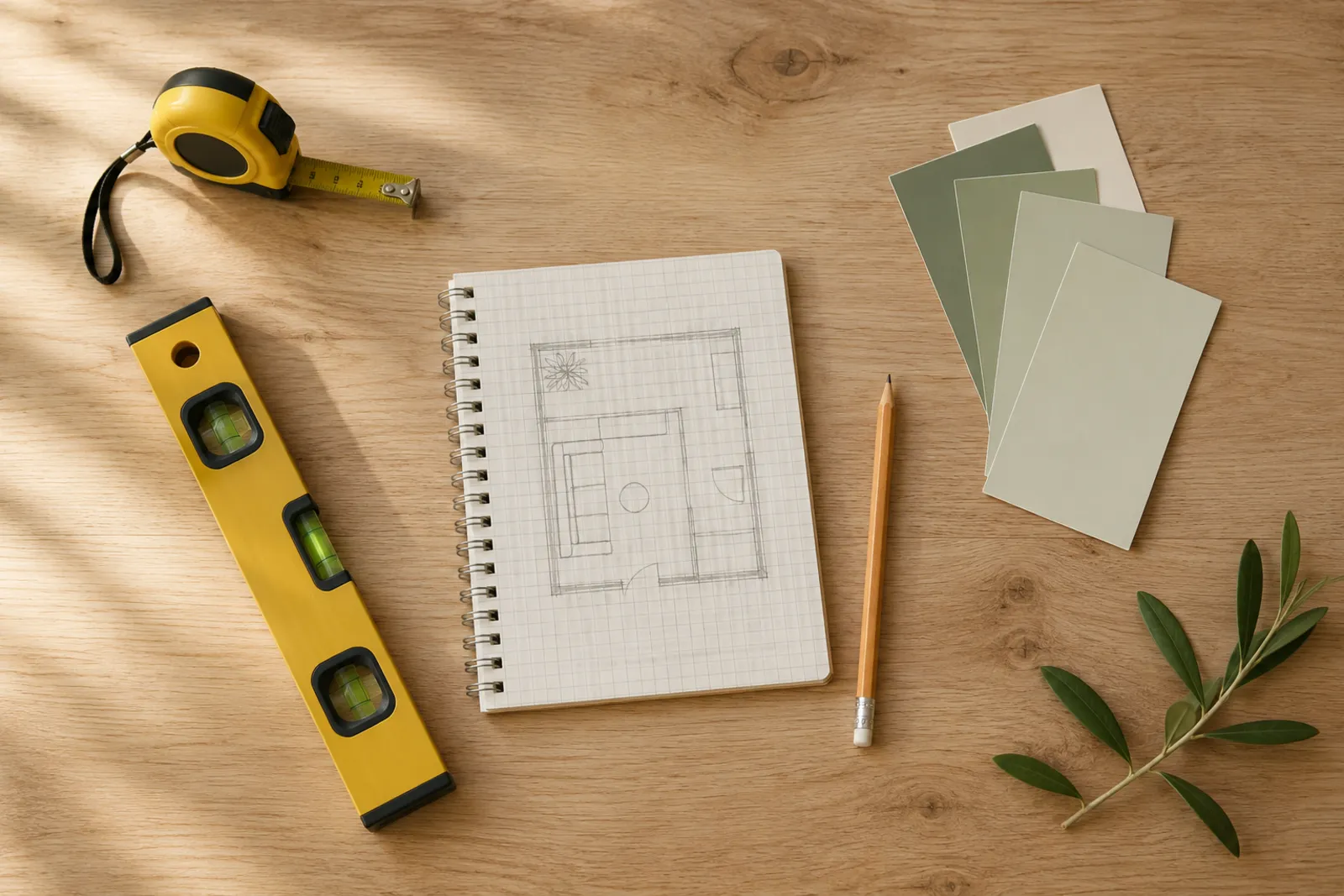
Project paths
Open the tools in project order
Start with the primary material, then move to the next quantity or planning check only when your project needs it.
Patio or walkway Plan the surface, gravel base, bedding layer, and drainage checks in project order.
Combine pavers, base gravel, bedding sand, edge restraint, joint sand, and overage.
Count surface units · Calculator Paver CalculatorEstimate paver count from patio dimensions, paver size, and waste.
Estimate base layers · Calculator Paver Base CalculatorEstimate gravel, bedding sand, cubic yards, tons, and bags.
Check drainage · Planner Paver Slope & String-Line PlannerBuild grade-stake readings for the surface, bedding, base, and excavation.
Room remodel Move from wall coverage to paint and tile quantities without mixing material assumptions.
Plan patch pieces, project panels, tape, and optional backing from a squared cutout.
Cover walls and ceiling · Calculator Drywall CalculatorEstimate sheets from room size, wall height, ceiling choice, sheet size, and waste.
Finish walls · Calculator Paint CalculatorEstimate gallons from wall area, coats, label coverage, and openings.
Plan a tiled surface · Calculator Tile CalculatorEstimate tile pieces and boxes from area, tile size, and layout waste.
Deck surface Estimate straight-run deck boards, then compare the same math with a worked 12 × 16 example.
Fence run Count pickets for a straight fence run and compare the result with a 100 ft worked example.
Garden bed or path Estimate mulch or gravel volume, then check the depth assumption before buying bags or bulk material.
Estimate cubic yards and bags from bed dimensions, depth, and overage.
Build a path or strip · Calculator Gravel CalculatorEstimate cubic yards and tons from area, depth, density, and overage.
Choose a depth · Guide Mulch Depth and TypesCheck how depth changes coverage before entering the final estimate.
Tile floor or shower base Plan tile quantity, dry-pack mortar volume, and a printable estimate worksheet as separate steps.
Estimate pieces and boxes from surface area, tile size, pattern, and waste.
Estimate a mortar bed · Calculator Deck Mud CalculatorEstimate dry-pack volume, mix quantities, bags, slope, and waste.
Prepare a takeoff · Worksheet Tiling Estimate WorksheetUse a printable planning sheet before comparing products or box coverage.
Starting tools
Start with a calculator
One primary calculator from each project path. This order reflects the project map, not a traffic ranking.
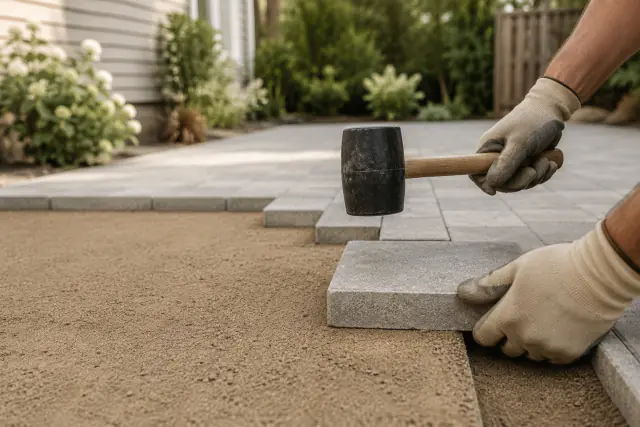 Landscaping Paver Calculator
 Estimate pavers for a patio or walkway from project dimensions, paver size, and a waste factor.
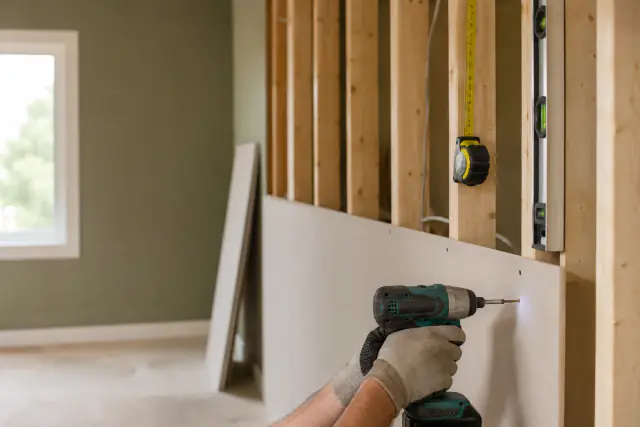 Drywall Drywall Calculator
 Estimate drywall sheet count for room walls, with an option to include the ceiling and choose common sheet sizes.
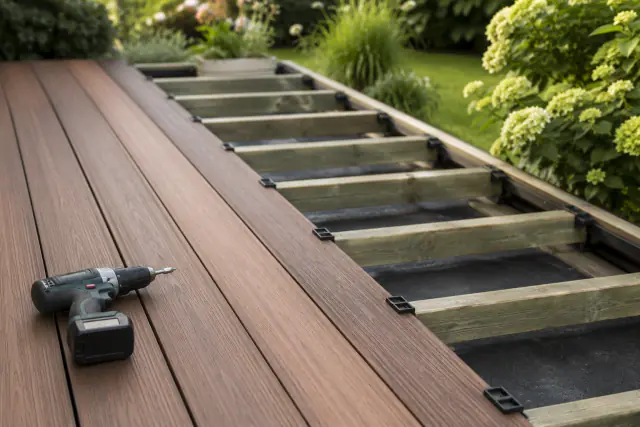 Decking Deck Board Calculator
 Estimate decking boards, plus a rough material list (joists, screws, hidden fasteners, and fascia) and an optional cost from your own price per board.
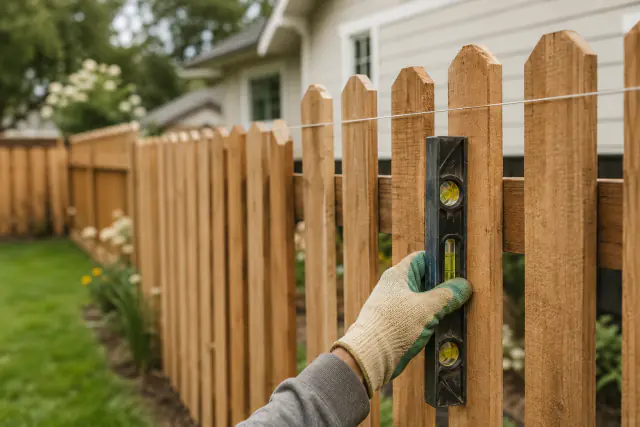 Fencing Fence Picket Calculator
 Estimate pickets for a straight DIY fence run from fence length, actual picket width, spacing gap, and waste factor. Plan posts, rails, gates, and hardware separately.
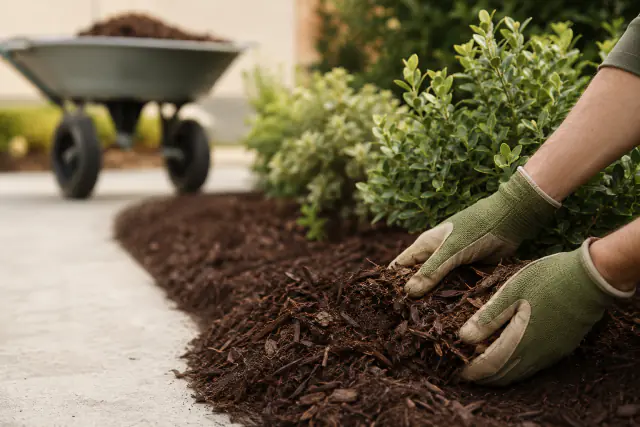 Landscaping Mulch Calculator
 Estimate mulch volume in cubic feet and cubic yards, with optional settling overage and bag count.
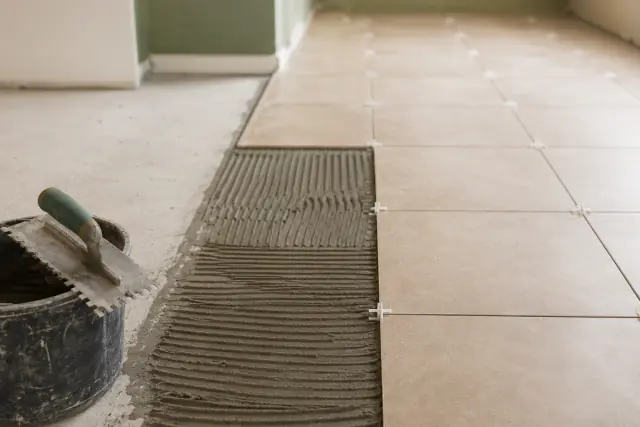 Flooring & Tile Tile Calculator
 Estimate tiles needed for a floor or wall area, with tile size, waste factor, a layout pattern preview, and an optional user-entered tile cost.
Material categories
Browse by material
Use a category when you know the material but have not chosen the exact calculator.
Practical guides
Check the assumption before you calculate
These guides help choose inputs such as slab thickness, mulch depth, paver base depth, slope, and overage.
Use this guide to compare mulch depth, cubic yards, 2 cu ft bags, and settling overage before estimating a landscape bed.
Concrete guide Recommended Concrete Slab Thickness for Patios, Sheds, and DrivewaysLearn how slab thickness affects concrete volume, bag count, and planning assumptions before estimating material quantity.
Pavers guide How to Clean Paver Joints Before Re-SandingCheck joint depth, debris, weeds, loose pavers, drainage, and normal new paver gaps before adding joint sand or polymeric sand.
Pavers guide Paver Patio Material ChecklistUse this material-first checklist to prepare planner inputs for base gravel, bedding sand, paver count, edge restraint, joint sand, and overage.
Pavers guide Can You Lay Pavers on Sand Only?Use this decision checklist to separate bedding sand from structural base material before planning a patio, walkway, or small reset.
Pavers guide Why Are My Pavers Sinking?Match sinking, rocking, low edges, joint washout, and drainage problems to likely causes before planning a repair material list.
Transparent estimates
Visible inputs, formulas, and rounding
Calculations run locally in your browser. Cost lines use only the unit price you enter, and every calculator shows the assumptions that need to be checked against product labels and project requirements.
- MeasureEnter project dimensions and material size.
- ReviewCheck waste, coverage, yield, and rounding.
- ConfirmCompare the result with the exact product label.
Quick answers
Before you use an estimate
Are these calculators free?
Yes. The calculators are free to use in your browser.
Where do the calculations run?
Calculator inputs are handled in your browser. The site does not require an account, file upload, or saved project.
Can I print the quantity estimate?
Yes. Calculator pages include a print button for the current quantity estimate and results.